
OKX futures risk checklist: leverage, margin mode, stop loss and liquidation boundaries
Editorial Note
Last reviewed: 3/19/2026
This page is maintained by the OK Invite - OKX Referral & Rebate Guide editorial team and cross-checked against platform rules, product docs and internal topic pages.
If platform rules change, treat the official documentation as the final source of truth.
The core question in futures is not where the upside is first, but under which conditions you could be forced to cut, reduce or liquidate.
Who this guide is for
- Best for users exploring futures for the first time or anyone whose risk boundary still feels fuzzy
- Understand isolated or cross margin, leverage and liquidation before you think about tactics
- If your spot basics and risk discipline are weak, do not rush into a high-risk product
Suggested path
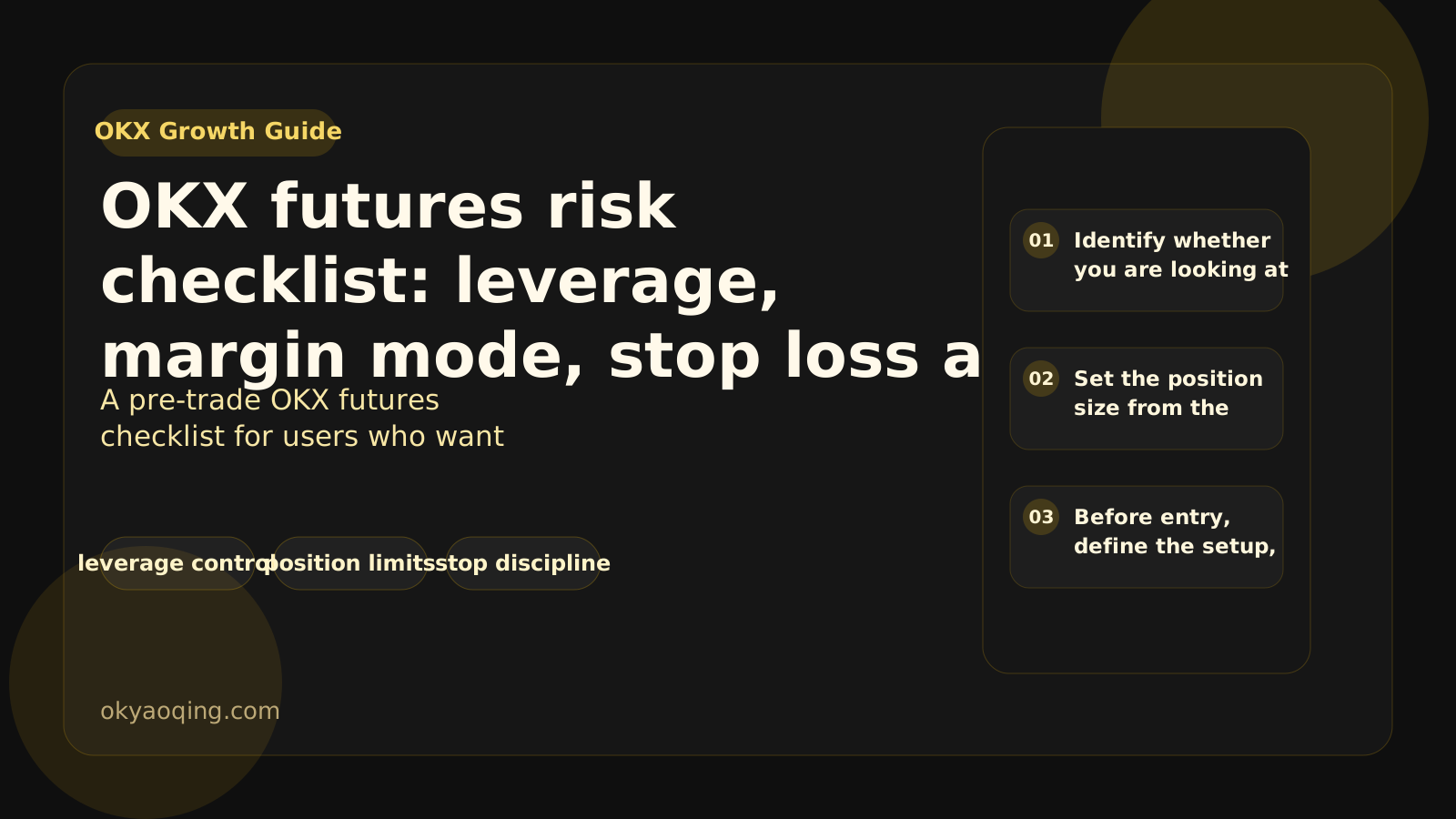
- Identify whether you are looking at USDT-margined or coin-margined futures, and whether the position uses isolated or cross margin.
- Set the position size from the amount you can afford to lose instead of raising leverage first and trying to justify the risk later.
- Before entry, define the setup, stop-loss level, maximum tolerated loss and whether you will scale in or out.
- While the trade is open, keep watching liquidation price, funding, volatility expansion and extra-margin needs instead of averaging emotionally.
Checklist
- leverage control
- position limits
- stop discipline
FAQ
Should a beginner start with high leverage on OKX futures?
Usually no. Futures magnify mistakes quickly, so spot basics, sizing discipline and stop logic should come first.
Is isolated or cross margin easier for understanding risk?
Many users understand single-position risk more clearly with isolated margin first, but only if they truly know the rules.
Does setting a stop loss make futures safe?
No. Slippage, volatility and liquidity still matter. A stop is only one part of the risk framework.
Next move
Once you enter OKX, treat the live page as the final source for current rules, fees and availability.
Site Role
Site role: capture invite-code and rebate intent
These sites are built for users already looking for referral codes, rebates, discounts and official signup paths.
- Explain invite codes, rebate language, fee discounts and campaign boundaries first.
- Keep referral, app download and registration steps in one short path.
- Best for clearly commercial, high-intent searches.