
How to size a OKX futures position: risk tolerance, leverage and stop distance together
Editorial Note
Last reviewed: 3/19/2026
This page is maintained by the OK Invite - OKX Referral & Rebate Guide editorial team and cross-checked against platform rules, product docs and internal topic pages.
If platform rules change, treat the official documentation as the final source of truth.
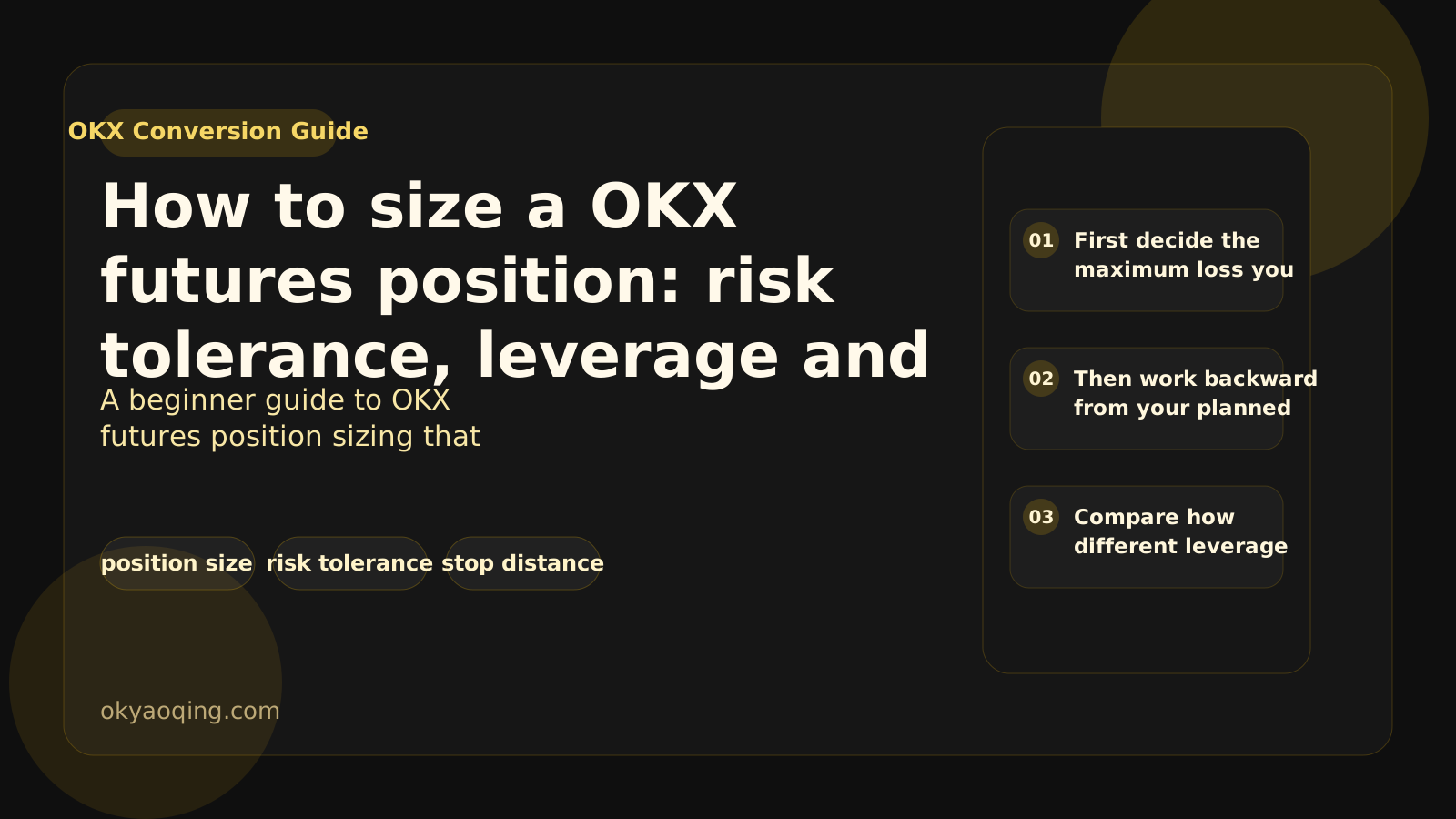
Position size is not about opening the biggest trade you can. It starts with deciding how much loss you can accept and then matching size, leverage and stop distance to that limit.
Who this guide is for
- Useful for beginners who keep opening oversized futures trades
- Start from loss tolerance, not available margin
- Stop distance and position size must be linked
Suggested path
- First decide the maximum loss you are willing to take on one trade instead of starting from total available margin.
- Then work backward from your planned stop-loss distance to the actual position size.
- Compare how different leverage levels change liquidation pressure even if the trade idea looks the same.
- After entry, keep position size, stop logic and margin plan aligned instead of watching only unrealized PnL.
Key checks
- position size
- risk tolerance
- stop distance
FAQ
Does high leverage always mean a large position?
Not exactly, but it increases the risk pressure around the same trade idea.
Is a small position automatically safe?
No. Stop placement and leverage still matter.
What should beginners learn first?
Single-trade risk control before scaling or complex position management.
Next move
Once you enter OKX, use the live platform page as the final source for fees, eligibility and campaign rules.
Site Role
Site role: capture invite-code and rebate intent
These sites are built for users already looking for referral codes, rebates, discounts and official signup paths.
- Explain invite codes, rebate language, fee discounts and campaign boundaries first.
- Keep referral, app download and registration steps in one short path.
- Best for clearly commercial, high-intent searches.